When you or your child experiences an itchy scalp with visible flakes, determining whether you’re dealing with lice or dandruff is crucial for proper treatment. At Lice Clinics of America, our certified technicians have treated over 950,000 cases of head lice, giving us unparalleled expertise in differentiating between these often confused conditions. While both can cause itching and white particles in the hair, they are very different problems that require distinct approaches.
The good news? Once you know what to look for, telling them apart becomes straightforward. This guide will help you identify which condition you’re facing so you can take the right action quickly.
What Are Lice and Dandruff?
Head Lice
Head lice (Pediculus humanus capitis) are tiny parasitic insects that live on the human scalp and feed on small amounts of blood. These wingless, six-legged creatures measure about 2-3mm long—roughly the size of a sesame seed. They appear tan to grayish-white and move quickly through hair at speeds up to 23 cm per minute.
Lice spread through direct head-to-head contact and occasionally by sharing items like hats, brushes, or pillows. They lay eggs called nits, which attach firmly to hair shafts near the scalp with a cement-like substance. Many families notice lice infestations during the school year when children are in close contact during play and activities.
Dandruff
Dandruff is a common scalp condition characterized by white or yellowish skin flakes that shed from the scalp. It’s not contagious and typically results from:
- Mild seborrheic dermatitis (inflammation of oil-producing skin)
- Malassezia yeast overgrowth on the scalp
- Accelerated skin cell turnover
- Dry scalp due to inadequate moisture
Unlike lice, dandruff is an individual skin response and cannot be transmitted to others. The condition can worsen in certain weather conditions or after using harsh hair products.
Key Differences: Lice vs. Dandruff
Based on thousands of clinical evaluations at our treatment centers, here are the essential differences:
| Characteristic | Head Lice | Dandruff |
| Cause | Parasitic insects (Pediculus humanus capitis) | Skin condition (seborrheic dermatitis, yeast, or dry skin) |
| Appearance | Small tan to grayish-white insects; oval, teardrop-shaped nits (eggs) | White or yellowish, irregular flakes of varying sizes |
| Movement | Adult lice crawl quickly; nits remain stationary on hair | Flakes fall off easily when hair is moved or brushed |
| Attachment | Nits firmly cemented to hair shafts with biological glue | Flakes sit loosely on scalp and hair |
| Location | Concentrated behind ears, nape of neck, and crown of head | Throughout scalp, sometimes in eyebrows or beard |
| Contagious? | Yes, spreads by direct head-to-head contact | No, not contagious |
| Itching Pattern | Intense itching, especially at night when lice are most active | Mild to moderate itching; may worsen with weather or products |
| Size | Nits: 0.8mm (pinhead size); Adult lice: 2-3mm (sesame seed) | Flakes: Variable, typically larger and more visible than nits |
Detailed Appearance Differences
Lice and Nits:
- Nits are teardrop-shaped with a distinct cap (operculum) through which baby lice emerge
- They range from white to yellowish-brown depending on whether they’ve hatched
- Adult lice have six clawed legs and segmented bodies
- Nits have a uniform, shell-like structure when examined closely
Dandruff Flakes:
- Irregular shapes and edges with no uniform pattern
- White or yellowish coloring
- Variable sizes, often larger than nits
- No shell-like structure or defined features
- They slide off easily if you brush or shake your hair
Attachment: The Most Reliable Test
The attachment mechanism provides one of the clearest ways to distinguish between these conditions:
Nits (Lice Eggs): Female lice cement their eggs directly to individual hair shafts, typically within 4-6mm of the scalp where the temperature is optimal for incubation. This biological cement contains chitin and protein, creating a bond so strong that nits cannot be removed without physically sliding them down the hair shaft or breaking the hair. They stay firmly attached and won’t move even with vigorous brushing.
Dandruff Flakes: These sit loosely on the scalp and throughout the hair. They’re easily dislodged with minimal disturbance and fall away readily when you move your hair. Under magnification, they show no attachment structures.
Location on the Scalp
Lice: Lice and their eggs cluster in specific warm areas:
- Behind the ears
- At the nape of the neck
- Crown of the head
These locations provide the warmth lice need and are common spots for head-to-head contact.
Dandruff: Flakes don’t favor any particular spot and appear throughout the hair and scalp. You may also notice dandruff on clothing, shoulders, or other surfaces where flakes have fallen.
Symptoms: Lice vs. Dandruff
Understanding the different symptoms helps you recognize what you’re dealing with.
Symptoms of Lice and Lice Eggs:
- Intense itching on the scalp, neck, and ears (caused by allergic reaction to lice saliva)
- Worse itching at night when lice are most active
- Crawling or tickling sensation on the scalp
- Nits firmly attached to hair shafts close to the scalp
- Presence of eggs on individual hair strands, especially behind ears and at nape
- Sores or skin irritation from scratching
- Difficulty sleeping due to intense itching
- Visible adult lice (though they move quickly and can be hard to spot)
Symptoms of Dandruff:
- White or yellowish flakes on the scalp, hair, and visible on clothing
- Flakes that slide off the hair easily when disturbed
- Mild to moderate itching of the scalp
- Dry or oily scalp depending on the type of dandruff
- Scalp irritation or redness which can be caused by scratching
- Symptoms that worsen in certain weather conditions (cold, dry weather)
- Flare-ups after using certain hair products
- No crawling sensation
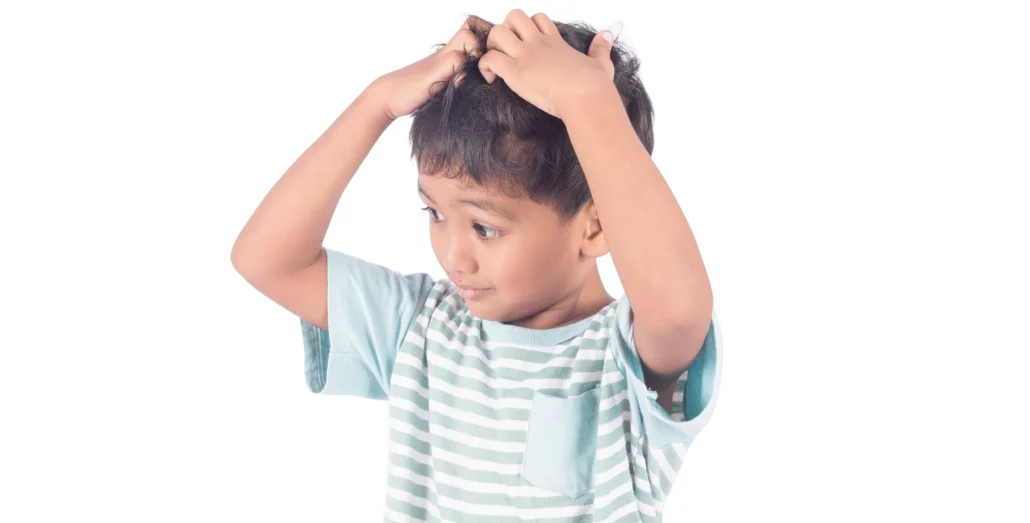
If you notice heavier, more intense scratching, especially at night, you might be dealing with lice rather than dandruff. Consider contacting a specialist for a closer look.
How to Tell If You Have Lice or Dandruff
Our clinical protocol for differentiating head lice from dandruff includes these professional evaluation techniques you can try at home:
1. The Visual Inspection
What to look for:
- Part the hair in small sections using good lighting (natural daylight is best)
- Focus on areas behind the ears and at the nape of the neck
- Look for tiny, oval-shaped objects attached to individual hair shafts
- Check if white particles move when you brush the hair
Interpretation:
- If particles don’t move when brushed → likely nits
- If particles fall away easily → likely dandruff
2. The Fine-Tooth Comb Test
This professional evaluation technique can be done at home:
- Use a fine-tooth lice comb with teeth spaced 0.2-0.3mm apart
- Wet the hair slightly or apply conditioner for easier combing
- Section the hair methodically to expose the scalp
- Comb from the scalp outward while maintaining contact with the scalp
- Examine the comb contents after each stroke
- Wipe the comb on a white paper towel to see what you’ve collected
What you’ll find:
- Lice: Tiny tan or grayish-white insects that move on the towel
- Nits: Small, oval objects that stick to the comb teeth
- Dandruff: White or yellow flakes that don’t have a distinct shape
3. The Attachment Test
Try to remove a suspected particle from the hair:
The “Slide Test”:
- Isolate a single hair strand with a suspected nit
- Try to slide the particle along the hair shaft with your fingernails
Results:
- Nits: Require significant pressure and sliding motion to move; make a “pop” sound if crushed between fingernails
- Dandruff: Easily flakes off with minimal pressure; crumbles rather than pops
4. Professional Evaluation Methods
Our certified technicians use additional clinical differentiation techniques:
- The “Isolation Test”: Examining individual hairs under magnification
- The “Compression Test”: Nits make a distinct popping sound when crushed, while dandruff simply crumbles
- The “Fluorescence Test”: Under specialized lighting, nits often fluoresce differently than dandruff flakes
- Microscopic examination: To identify the operculum (cap) on nits, which dandruff flakes lack
If you’re uncertain after a home examination, a professional assessment provides a more definitive diagnosis. Our certified technicians can identify lice infestations with certainty and begin treatment immediately.
Does One Condition Cause the Other?
No. Based on clinical evidence and dermatological research, lice and dandruff are unrelated conditions with completely different causes:
- Head lice are obligate parasites requiring human blood for survival
- Dandruff stems from abnormal skin cell turnover, sebum production, or fungal presence
However, there is one indirect connection: The intense scratching from a lice infestation can produce secondary scalp irritation that mimics dandruff. Our clinicians frequently observe this phenomenon, which typically resolves after successful lice elimination.
Treatment Options: Lice vs. Dandruff
Each condition requires a specific, medically-sound treatment approach.
Evidence-Based Methods for Lice Removal
Professional lice treatment provides the most reliable results:
- AirAllé® Device (Recommended)
The FDA-cleared AirAllé® device, used exclusively at Lice Clinics of America, delivers controlled heated air at precise parameters needed to dehydrate lice and eggs without harmful chemicals. This professional treatment typically achieves complete elimination in a single session of about 90 minutes.
How It Works:
- Uses heated air to dehydrate lice and eggs
- Targets all life stages of lice simultaneously
- Quick, professional, and chemical-free
- Effective against “super lice” resistant to pesticides
- Single-visit treatment in most cases
The OneCure Kit offers a non-chemical approach for handling stubborn lice at home, including so-called “super lice.” By using heated air technology and thorough combing, this kit provides a gentle yet professional option for families who prefer home treatment.
- Professional Comb-Out
Our certified technicians use specialized techniques and tools:
- Professional-grade lice combs with optimal tooth spacing
- Systematic sectioning and examination
- Thorough removal of all nits and adult lice
- Follow-up protocols to ensure complete elimination
- Over-the-Counter Options
While available, OTC shampoos have limitations:
- Many lice populations have developed resistance
- Require multiple applications
- Don’t always eliminate nits effectively
- May contain harsh chemicals
Comparison of Lice Treatment Options:
| Method | How It Works | Key Benefits | Considerations |
| AirAllé® Device | Heated air dehydration | Quick, professional, no chemicals, single visit | Requires professional treatment center |
| OneCure Kit | Heated air + combing | At-home option, chemical-free, targets super lice | Requires careful application |
| Professional Comb | Physical removal | Thorough, no chemicals, immediate | Labor-intensive, may need multiple sessions |
| OTC Shampoo | Insecticidal formulas | Convenient, widely available | Resistance issues, multiple applications needed |
Dermatologically-Sound Dandruff Management
Clinical recommendations for dandruff include:
- Medicated Shampoos
Over-the-counter and prescription shampoos containing:
- Zinc pyrithione: Reduces fungus and bacteria
- Selenium sulfide: Slows skin cell turnover
- Ketoconazole: Antifungal properties
- Coal tar: Slows skin cell turnover
- Salicylic acid: Removes excess scale
How to Use:
- Follow product directions carefully
- Allow shampoo to sit on scalp for several minutes
- Use 2-3 times weekly initially, then as needed
- Rotate products if one becomes less effective
- Proper Scalp Care
- Regular shampooing to remove excess oil and dead skin cells
- Gentle scalp exfoliation to remove buildup
- Avoid harsh hair products that irritate the scalp
- Manage stress, which can trigger flare-ups
- Professional Dermatological Care
For persistent or severe dandruff, consult a dermatologist who may recommend:
- Prescription-strength treatments
- Evaluation for underlying conditions like psoriasis or eczema
- Personalized scalp care regimens
Prevention Strategies
You can take simple, effective steps to help protect your family from both conditions.
Preventing Lice Infestations
Evidence-based protective measures include:
Avoid Head-to-Head Contact: Lice spread most commonly through direct head-to-head contact. Try to avoid activities involving close head contact during known outbreaks:
- Hugging with heads touching
- Leaning heads together during group activities
- Sharing beds or pillows during sleepovers
Avoid Sharing Personal Items: While less common, lice can occasionally spread through sharing:
- Combs and brushes
- Hats, scarves, and headbands
- Hair accessories
- Clothing (especially hoodies and coats)
- Towels and bedding
Keep Hair Secured: During outbreaks, keeping long hair in styles that minimize exposure can help:
- Braids, buns, or ponytails
- Styles that keep hair close to the head
- Hair secured away from contact with others
Regular Checking: Regular examination of hair and scalp helps identify infestations early:
- Weekly head checks during school year
- More frequent checks during known outbreaks
- Focus on areas behind ears and nape of neck
- Use good lighting and a fine-tooth comb
Use Preventative Products: Essential oils can help deter lice:
- Tea tree oil
- Peppermint oil
- Rosemary oil
- Add a few drops to shampoo or create a diluted spray
Proper Sanitization: During treatment or outbreaks:
- Wash bedding and clothing in hot water (130°F+)
- Dry items on high heat for at least 20 minutes
- Vacuum furniture, car seats, and carpets
- Store non-washable items in sealed bags for 2 weeks
Preventing Dandruff
Dermatological best practices include:
Maintain Good Scalp Hygiene:
- Shampoo regularly to manage sebum production
- Use products appropriate for your hair type
- Avoid buildup from styling products
- Rinse thoroughly to remove all product residue
Choose the Right Products:
- Use gentle, pH-balanced shampoos
- Avoid harsh chemicals that strip natural oils
- Consider anti-dandruff shampoos if you’re prone to flaking
- Test new products on a small area first
Manage Environmental Factors:
- Use a humidifier in dry weather
- Protect your scalp from extreme temperatures
- Stay hydrated
- Manage stress through healthy lifestyle choices
Healthy Lifestyle Habits:
- Eat a balanced diet rich in zinc, B vitamins, and healthy fats
- Get adequate sleep
- Exercise regularly to reduce stress
- Limit excessive hair washing that can dry the scalp
Other Causes of Itchy Scalp
If you’ve ruled out both lice and dandruff but still experience scalp itching, consider these other possibilities:
Allergies
Your scalp may be itchy due to an allergic reaction to:
- Hair care products (shampoos, conditioners, styling products)
- Hair dyes or chemical treatments
- Fabrics that touch your scalp
- Metals in hair accessories (like nickel)
What to do: Discontinue new products, switch to hypoallergenic options, and consult a dermatologist if symptoms persist.
Dry Scalp
Dryness can trigger itching even without visible flakes. This often happens due to:
- Cold weather and low humidity
- Harsh shampoos that strip natural oils
- Excessive washing
- Aging, which reduces oil production
What to do: Use moisturizing shampoos, wash hair less frequently, apply scalp oils, and use a humidifier.
Scalp Psoriasis
Psoriasis is a chronic autoimmune condition that causes red, scaly patches on the skin. When it affects the scalp, symptoms include:
- Thick, silvery scales
- Red patches
- Itching and discomfort
- Flaking that differs from dandruff
What to do: Consult a dermatologist for proper diagnosis and treatment, which may include medicated shampoos, topical treatments, or systemic medications.
Other Conditions
Additional causes of scalp itching include:
- Folliculitis (inflammation of hair follicles)
- Ringworm (fungal infection)
- Eczema
- Contact dermatitis
- Seborrheic dermatitis (more severe than simple dandruff)
If your scalp remains itchy or uncomfortable and you’re unsure of the cause, consult a healthcare provider or specialist. Only a professional can provide an accurate diagnosis and recommend the right approach for your situation.
Frequently Asked Questions
Can you tell the difference between dandruff and lice eggs?
Yes. Dandruff flakes are loose bits of dry skin that fall away when you move or brush your hair. Lice eggs (nits), by contrast, cling stubbornly to individual hair shafts and don’t shift easily. Nits require fingernail pressure to slide along the hair and make a popping sound when crushed, while dandruff simply crumbles.
Why is lice sometimes mistaken for dandruff?
Lice can be mistaken for dandruff because both can cause itching and white particles to appear in the hair. However, there are key differences in appearance, location, and symptoms. Dandruff flakes are usually larger and more visible than lice eggs, scattered throughout the hair rather than attached close to the scalp. Nits are oval-shaped with a uniform appearance, while dandruff flakes are irregular and inconsistent.
How can I tell if my child has dry scalp or lice?
Look closely at your child’s scalp and hair for live lice or nits. Dry scalp usually produces smaller, lighter flakes that are scattered and not attached to the hair. Lice leave behind eggs (nits) that stick close to the scalp—within 4-6mm—and are much harder to remove. If you notice persistent itching, especially at night, or particles that don’t brush off easily, consider reaching out to a professional for evaluation.
Why do I keep finding nits in my child’s hair but no live lice?
There are several possible explanations:
- You’re finding empty nit shells: After lice hatch, the empty shells remain attached to the hair and can be mistaken for active infestations.
- The infestation is very new or very light: With only a few lice, adult bugs can be hard to spot since they move quickly.
- You’re mistaking other particles for nits: Hair product buildup, dandruff, or debris can sometimes resemble nits. True nits are oval-shaped, about the size of a pinhead, and firmly attached to hair strands close to the scalp.
- Previous treatment was partially successful: Some nits may have survived treatment while adult lice were eliminated.
To differentiate between nits and other debris, remember that nits are covered with a glue-like coating that firmly attaches them to hair strands, making them much harder to remove than dandruff flakes.
Are nits harder to remove than dandruff?
Yes, significantly harder. Nits are attached with a biological cement containing chitin and protein that creates an extremely strong bond to the hair shaft. They cannot be removed by brushing, washing, or casual wiping—they must be physically slid down the hair shaft with firm pressure from fingernails or a specialized comb. Dandruff flakes, on the other hand, require no effort to remove and fall off with any hair movement.
Can you have both lice and dandruff at the same time?
Yes, it’s possible to have both conditions simultaneously since they have different causes. However, this is relatively uncommon. If you’re dealing with both, treat the lice infestation first (as it’s contagious and requires urgent attention), then address the dandruff with appropriate scalp care products.
How long does it take to get rid of lice vs. dandruff?
Lice: With professional treatment using the AirAllé® device, elimination typically occurs in a single 90-minute session. Home treatments may require multiple applications over 1-2 weeks, with follow-up checks. Complete eradication depends on removing all nits and adult lice.
Dandruff: Improvement usually occurs within 2-4 weeks of starting treatment with medicated shampoos. However, dandruff is often a chronic condition requiring ongoing management rather than a one-time cure.
Is it normal for my scalp to itch but have no visible lice or dandruff?
Yes. Scalp itching can have many causes beyond lice and dandruff, including allergies, dry scalp, psoriasis, eczema, or product reactions. If itching persists without visible signs of lice or dandruff, consider other potential causes and consult a healthcare provider for proper evaluation.
When to Seek Professional Help
While some cases can be managed at home, professional evaluation provides peace of mind and ensures proper treatment:
Seek professional help for lice if:
- You’re unsure whether you’re dealing with lice or another condition
- Home treatments haven’t been effective after 2-3 attempts
- The infestation keeps returning
- You want guaranteed, chemical-free elimination in a single visit
- Multiple family members are affected
- You have concerns about product safety or application
Seek professional help for scalp issues if:
- Itching persists despite treatment
- You notice severe redness, swelling, or oozing
- Flaking is excessive or accompanied by thick scales
- Hair loss occurs
- Symptoms significantly impact quality of life
- You’re unsure of the diagnosis
Professional Lice Treatment at Lice Clinics of America
As the country’s largest professional lice treatment provider, Lice Clinics of America offers definitive diagnosis and treatment based on extensive clinical experience with over 950,000 cases treated. Our network of certified technicians provides medically sound solutions through clinically proven methods developed by scientists and medical professionals.
What to expect:
- Professional assessment and diagnosis
- FDA-cleared AirAllé® treatment technology
- Chemical-free, single-visit elimination
- Comprehensive follow-up protocols
- Education on prevention and detection
- Support for entire families
Why choose professional treatment:
- Guaranteed results
- Save time and frustration
- Avoid exposure to pesticides
- Expert guidance throughout the process
- Peace of mind with proven methods
For definitive evaluation and treatment, we recommend professional assessment at one of our certified treatment centers.
Find a clinic near you and schedule your appointment today.


